Best Plant-Based Protein in India
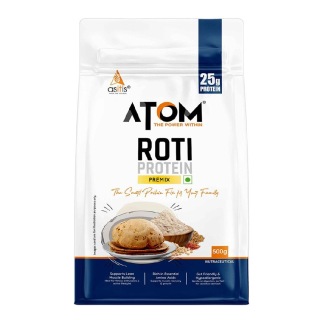
Among the 398 plant protein products tracked here, AS-IT-IS Nutrition ATOM Roti Protein leads the best-rated shortlist on protein purity at 83% (₹38 per serving), ahead of Scitron Organic Plant Protein at 81% and Wellbeing Nutrition Organic Vegan at 81%. Purity is protein as a share of serving weight; cost per serving is pack price divided by servings.
Shop Plant Protein on Amazon- Products compared
- 398
- Including variants
- 645
- Price range
- ₹69 – ₹10,162
- Sponsored rankings
- 0
Ranked by protein purity
Best-Rated Plant Protein, Ranked by Protein Purity
| # | Product | Grade | Purity |
|---|---|---|---|
| 1 | AS-IT-IS Nutrition ATOM Roti Protein, 1.1 lb UnflavouredAS-IT-IS | A | 83% |
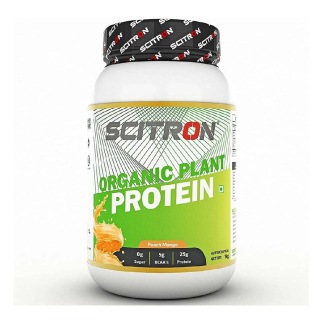
| 2 | Scitron Organic Plant Protein, 2.2 lb Peach MangoScitron | A | 81% |
| 3 | Wellbeing Nutrition Organic Vegan Plant Protein, 500 gWellbeing Nutrition | A | 81% |
| 4 | Life Aveda Green Vital Plant Protein Powder, 250 gLife Aveda | A | 80% |
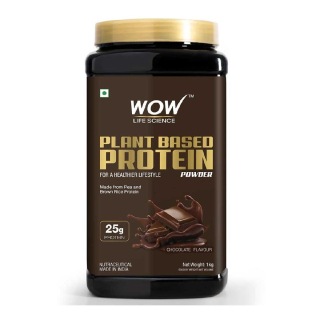
| 5 | Wow Life Science Plant Based Protein Powder, 2.2 lb ChocolateWow Life Science | B | 74% |
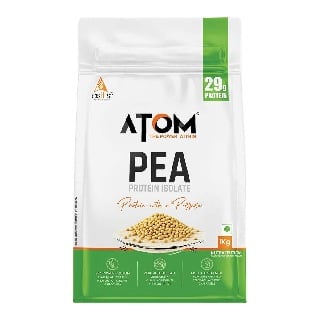
| 6 | AS-IT-IS Nutrition ATOM Pea Protein, 2.2 lb Mango FusionAS-IT-IS | B | 72% |
| 7 | BeastLife Performance Protein Powder, 200 g ChocolateBeastLife | B | 72% |
| 8 | BeastLife Performance Protein Powder Assorted Pack, 200 g ChocolateBeastLife | B | 72% |
| 9 | Genetic Nutrition Vegan Protein, 2.2 lb VanillaGenetic Nutrition | B | 71% |
| 10 | Setu Sport : Plant Protein, 2.2 lb ChocolateSetu | B | 69% |
Products
Top picks, ranked on verified data
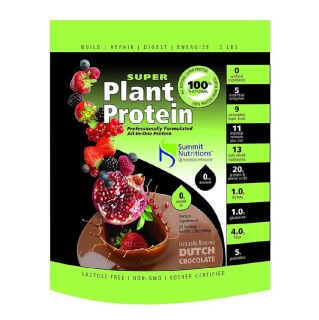 C tier
Summit Nutritions
Summit Nutritions Super Plant Protein, 2 lb Dutch Chocolate
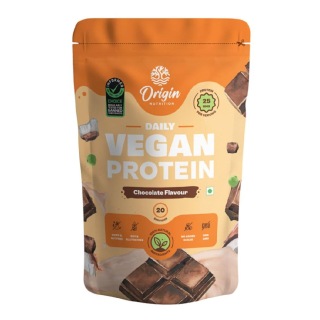 B tier
Origin Nutrition
Origin Nutrition Vegan Protein Powder, 1.6 lb Chocolate
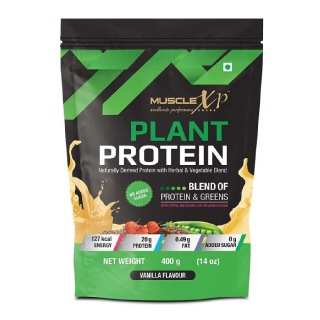 C tier
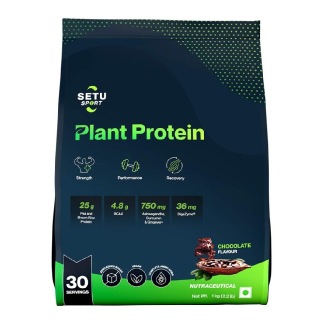 B tier
 B tier
Wow Life Science
Wow Life Science Plant Based Protein Powder, 2.2 lb Chocolate
 A tier
 B tier
Origin Nutrition
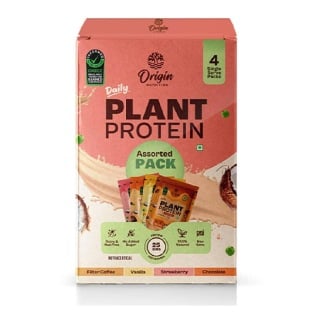
Origin Nutrition Plant Protein, 0.33 lb Multi Flavor Pack
 C tier
Origin Nutrition
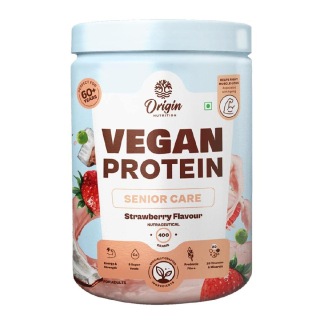
Origin Nutrition Senior Care Vegan Protein, 0.88 lb Strawberry
 B tier
Genetic Nutrition
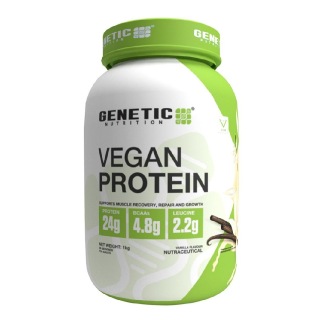
Genetic Nutrition Vegan Protein, 2.2 lb Vanilla
 B tier
Origin Nutrition
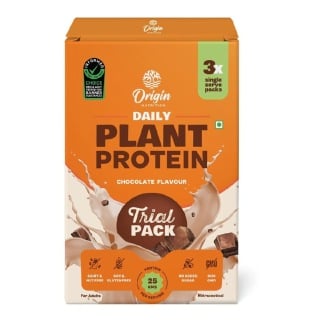
Origin Nutrition Daily Plant Protein, 3 sachets/pack Chocolate
 B tier
 B tier
 A tier
 B tier
Wellbeing Nutrition
Wellbeing Nutrition Organic Vegan Plant Protein, 500 g Chocolate Hazelnut
B tierA tierB tierB tierB tierB tier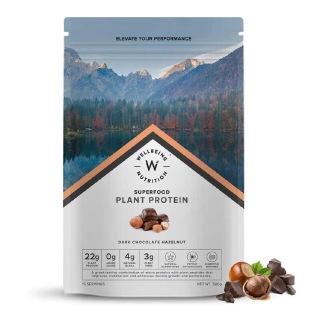 B tier
Wellbeing Nutrition
Wellbeing Nutrition Superfood Plant Protein, 1.1 lb Dark Chocolate Hazelnut
A tierWellbeing Nutrition
Wellbeing Nutrition Organic Vegan Plant Protein, 500 g
 C tier
 B tier
The numbers behind it
About plant protein
Plant protein is the practical choice for a large share of the Indian market, and not only for vegans: it sidesteps lactose entirely, which matters given how common lactose intolerance is among Indian adults. The main sources you will see are pea, soy, brown rice and mixes of the three, along with smaller quantities of pumpkin, sunflower and mung bean protein.
The technical issue with plant sources is amino acid completeness. Pea protein is low in methionine; rice protein is low in lysine. Individually each is an incomplete protein, which is why the better products blend them — pea and rice together produce a profile close to whey. Soy is the exception among plant sources in being complete on its own, with a digestibility score comparable to dairy protein. If a product is single-source pea or single-source rice, check whether the missing amino acid has been added back.
Purity is generally lower than whey and this is expected rather than a defect: 65–80% is the normal range because plant isolates carry more residual fibre and starch. Judge these products against each other, not against a whey isolate. Digestibility is the more meaningful axis, and it is why added digestive enzymes appear so often in this category — plant proteins genuinely benefit from them.
Prices run roughly ₹1,800–₹3,500 per kg. Indian-made pea and soy proteins sit at the lower end and are often the best value in the entire catalogue on cost per gram of protein. The two things worth checking beyond price are added sugar, which is used heavily here to mask the earthy taste of pea protein, and heavy metal testing, since plant proteins concentrate whatever was in the soil the crop grew in.
Buying guide
What to look for
- 1
Prefer blends over single-source
Pea plus rice covers the amino acids each lacks alone. Single-source pea or rice should have the limiting amino acid added back.
- 2
Expect 65–80% purity
Lower than whey by nature. Compare plant proteins against each other rather than against an isolate.
- 3
Check for heavy metal testing
Plant proteins concentrate soil contaminants. Third-party testing for lead and cadmium is a real differentiator here, not marketing.
- 4
Look at added sugar and sweeteners
Pea protein tastes earthy and manufacturers compensate. Some products carry 5g+ of added sugar per serving.
- 5
Digestive enzymes are worth having
Unlike in whey, added protease and bromelain address a genuine digestibility gap in plant sources.
FAQ
Frequently asked questions
Is plant protein as effective as whey for building muscle?
When the amino acid profile is complete — a pea and rice blend, or soy — the difference in muscle-building outcome is small. Single-source pea or rice protein without the limiting amino acid added back is measurably weaker.
Which plant protein is best for Indian vegetarians?
A pea and brown rice blend covers the amino acid gaps of each. Soy is complete on its own and generally the cheapest complete option available in India.
Why is plant protein purity lower than whey?
Plant isolates retain more fibre and residual starch, so 65–80% protein by weight is normal. This is a property of the source material rather than a sign of a poor product.
Does soy protein affect testosterone?
Controlled trials at normal intakes have not found a meaningful effect on testosterone in men. The concern comes from isoflavone content, but the doses used in the studies that raised it are far above what a scoop of soy protein delivers.
Keep reading